

The New Age of Public Transportation Design
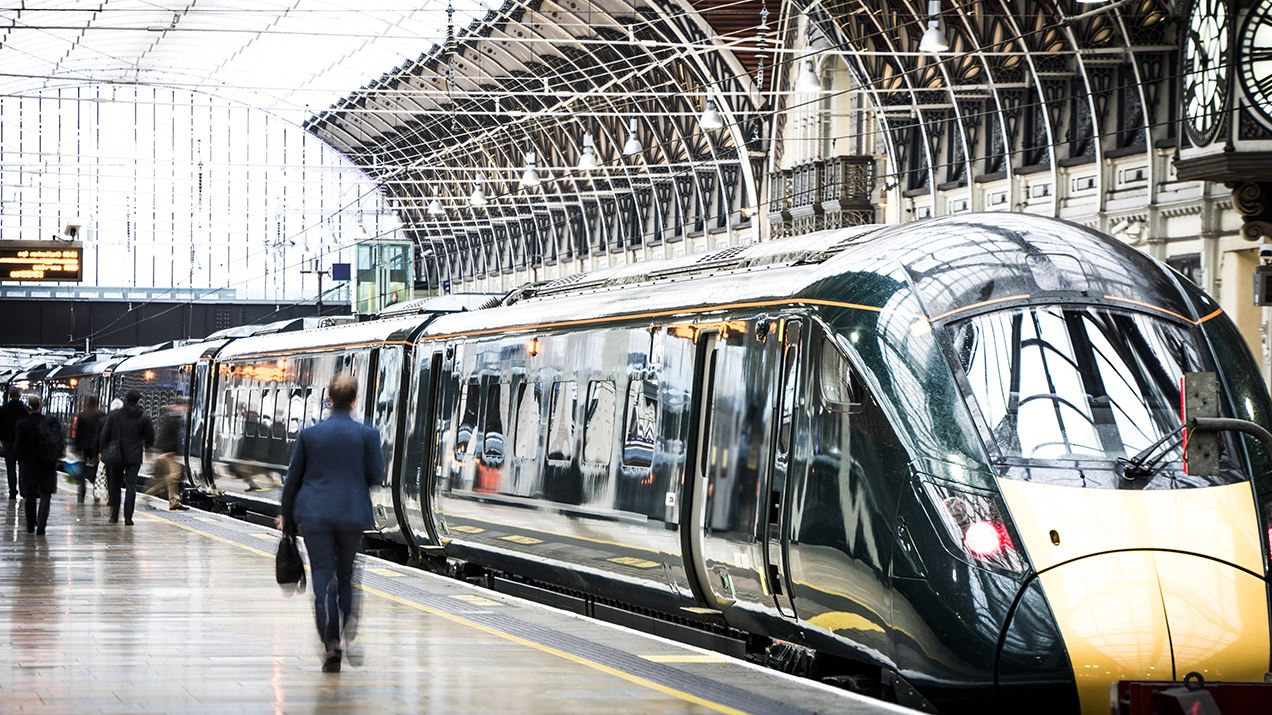
Innovation Is Transforming the Future of Public Transportation Across the Globe
The Changing Face of Urban Mobility
Public transit is undergoing a profound reinvention as cities worldwide confront growing populations, climate challenges, and the demand for cleaner and more efficient movement. Traditional buses and trains, once seen as fixed systems of schedules and rails, are now dynamic networks of information, energy, and human interaction. Modern cities depend on these systems not just to move people but to shape daily life, connect neighborhoods, and influence environmental outcomes. As digital tools expand and sustainability becomes an urban imperative, the lines between transportation, technology, and city planning blur into a seamless experience. In this context, innovation does not simply enhance public transit; it redefines what it means to travel. From data-driven route optimization to adaptive infrastructures that communicate with commuters in real time, the global shift toward intelligent mobility reflects a collective recognition that the movement of people drives the vitality of modern civilization. The next generation of transit is a living network that grows smarter every day.
Digital Integration and Smart Infrastructure
Innovation in public transportation depends on the digital nervous system running beneath it. Smart infrastructure allows buses, subways, and trams to communicate with centralized systems that constantly analyze data. These systems detect patterns in ridership, adjust traffic signals, and regulate fleet deployment to reduce congestion. In Singapore, intelligent transport management uses thousands of sensors to track vehicle flow, enabling real-time responses to sudden spikes in demand. London’s integrated payment networks have unified once-fragmented services into a single touchless system that links trains, ferries, and buses through mobile wallets. Digital mapping and predictive analytics make it possible to synchronize cross-city networks, minimizing downtime and delays. Even infrastructure maintenance has evolved through data collection, with machine learning forecasting when a signal, track, or engine component is likely to fail. Smart infrastructure represents the invisible foundation of modern transit, a web of communication that turns steel and concrete into responsive, interconnected ecosystems dedicated to public efficiency and reliability.
The Rise of Electric and Hybrid Transit Fleets
As the world seeks alternatives to fossil fuels, public transportation is at the forefront of the clean energy transition. Electric and hybrid fleets are replacing traditional diesel-powered vehicles, not just as environmental necessities but as cost-effective long-term solutions. These vehicles lower operational expenses by minimizing fuel use and maintenance costs. Many cities have partnered with private manufacturers to develop buses with extended ranges and regenerative braking systems that convert kinetic energy into power. In Shenzhen, China, the entire public bus network now operates on electric energy, representing one of the largest examples of sustainable transit deployment in the world. Similar models are emerging in Europe and North America, with electric trams and hybrid ferries proving that efficiency can coexist with comfort. These advancements also reshape soundscapes and air quality, producing quieter cities and cleaner air. The adoption of renewable power grids for charging further amplifies the sustainability loop, turning transportation into a catalyst for urban decarbonization.
Automation and Autonomous Transit Systems
Automation stands as one of the most revolutionary shifts in public transit innovation. The global race to develop autonomous shuttles, driverless trains, and automated buses highlights a shift in how mobility is managed and perceived. These systems promise consistency, safety, and efficiency by reducing human error while optimizing energy consumption. Paris and Dubai have implemented fully automated metro lines capable of running around the clock without drivers, demonstrating punctuality rates that surpass human-managed systems. Autonomous electric shuttles are now common in controlled city environments, transporting passengers across business districts or university campuses with minimal supervision. Sensors, radar, lidar, and artificial intelligence merge to interpret complex traffic conditions, ensuring a high level of safety and precision. While challenges remain, such as cybersecurity and public acceptance, the integration of automation signals a global transformation. The marriage between autonomy and public transportation will ultimately lead to networks that self-regulate, adapt to traffic flow, and deliver mobility as efficiently as digital communication.
Human-Centered Design and Accessibility
True innovation in transit is measured by how well it serves its users. As public transit evolves, accessibility and human-centered design have become pillars of advancement. Accessibility is not merely a regulatory requirement but a fundamental element of design philosophy. Cities are now incorporating universal access into every stage of development, ensuring inclusive mobility for all individuals regardless of ability. Elevated platforms align perfectly with bus floors, tactile surfaces guide visually impaired travelers, and multilingual digital displays assist global commuters. Passenger comfort is another focus area. Modern interiors use ergonomically designed seating, noise reduction materials, and improved ventilation systems to enhance comfort during travel. Transit hubs are being redesigned as community spaces with Wi-Fi zones, local art installations, and energy-efficient lighting. Accessibility also extends to financial inclusion. Contactless fare systems, community passes, and discounted subscription models allow equitable participation. When transportation aligns with human needs, innovation translates not just to technological progress but to shared dignity in motion.
The Interconnected Future of Mobility-as-a-Service
Mobility-as-a-Service (MaaS) is redefining how the public interacts with transit systems. Instead of treating transportation as a collection of separate modes, MaaS integrates them into one fluid digital ecosystem. Through a single platform, users can plan routes, purchase tickets, and access multiple services such as metro systems, e-scooters, bike shares, or ride-hailing. The subscription model eliminates the friction of individual payments while encouraging a more sustainable travel mindset. Helsinki’s Whim app stands as a global example, combining public transit, car rentals, and taxis into an all-inclusive service. Data analytics further enhance MaaS by learning from travel habits to suggest efficient routes or cheaper combinations. This evolution extends beyond convenience; it reshapes ownership culture. Instead of prioritizing private car ownership, citizens rely on seamless shared mobility solutions. As digital integration deepens, MaaS will evolve into the central nervous system of public mobility, merging sustainability, convenience, and personalization in one intelligent framework of continuous movement.
Sustainability and the Green Transit Revolution
Every major innovation in transit aligns with the global pursuit of sustainability. Green public transportation serves as both an environmental commitment and a societal necessity. Governments are setting ambitious carbon neutrality goals, with public transit playing a critical role in meeting them. Electric buses and hydrogen-powered trains drastically reduce greenhouse gas emissions while offering smoother rides and lower lifetime costs. Solar-powered stations, smart traffic lights, and regenerative braking networks create energy loops that minimize waste. In Sweden, biogas buses powered by organic waste illustrate how circular economy principles can merge seamlessly with mobility. Sustainable transit also involves long-term urban planning. Transit-oriented development (TOD) strategies promote high-density housing and walkable communities around major transport nodes, minimizing the need for private vehicles. The integration of natural landscapes into transit corridors enhances biodiversity while improving aesthetics. Collectively, these innovations redefine public transit as a cornerstone of environmental resilience, proving that progress can harmonize with preservation.
Policy, Funding, and Collaboration for Future Growth
Behind every successful public transit innovation lies policy, governance, and collaboration. Governments establish the frameworks that enable experimentation while ensuring safety and accountability. Public-private partnerships have emerged as powerful engines of progress, pooling expertise from technology firms, automotive manufacturers, and municipal planners. Funding remains a key factor. Infrastructure projects are increasingly financed through green bonds, climate funds, and global development grants. The European Union’s Green Deal, for example, allocates billions toward low-carbon mobility initiatives across member states. Collaboration also extends to academia, where universities partner with cities to test AI-driven transit algorithms and predictive models. Workforce development ensures that innovation does not outpace education. Training programs for mechanics, engineers, and data scientists prepare the next generation of transit professionals to manage advanced systems. The complexity of future mobility demands shared leadership. When governments, industries, and citizens align their goals, public transit becomes not just a mode of travel but a blueprint for cooperative progress.
Integrating Public Transit with Smart City Ecosystems
Public transit is the backbone of any smart city, and innovation in this area cannot be viewed in isolation. Smart cities depend on interconnected systems where energy, mobility, and communication interact fluidly. Transit data contributes directly to urban analytics, shaping housing development, economic planning, and even emergency response strategies. In Seoul, transportation sensors feed live information into city-wide dashboards that monitor pollution, noise levels, and traffic density. This integration allows municipal authorities to predict congestion and manage it before it escalates. In the United States, pilot programs are connecting traffic lights, ride-shares, and electric bus fleets through city control centers that optimize energy use across entire networks. The synchronization of transport with other smart systems also improves safety. Automated alerts warn of weather disruptions or route closures, rerouting vehicles and notifying passengers instantly. As cities evolve into living networks, public transit becomes their circulatory system, distributing energy, data, and people with seamless precision.
The Road to an Integrated Future
The reimagining of public transit represents one of the most important collective projects of the twenty-first century. Every innovation, from electrification to automation, from digital integration to policy reform, moves society closer to a model of mobility that is clean, inclusive, and efficient. The cities that embrace these transformations will not only move people but will shape culture, opportunity, and sustainability for generations. The future of transit will not belong solely to machines or algorithms but to collaboration between human creativity and technological ingenuity. Public transportation, once a functional necessity, is evolving into a dynamic expression of civic intelligence. It symbolizes the merging of progress and purpose, of design and compassion. As each city invests in its own version of a smarter network, the vision grows clearer: a world where travel unites rather than divides, where innovation serves all citizens, and where every journey contributes to a shared horizon of possibility.